
Understanding exterior maintenance is crucial for homeowners to ensure the longevity and curb appeal of their homes. This article covers essential tasks and tips every homeowner should know. By adhering to maintenance schedules, homeowners can prevent costly repairs and maintain the value of their property.
Regular inspections are one of the most effective ways to stay ahead of exterior maintenance concerns. Checking roofing materials, siding, gutters, and foundations throughout the year can help homeowners identify early signs of wear or damage. Addressing small problems promptly helps prevent them from developing into more extensive repairs that may require greater time and expense.
Seasonal maintenance also plays an important role in protecting a home’s exterior. Cleaning gutters, sealing small cracks, trimming nearby vegetation, and washing exterior surfaces can all help maintain the structure’s condition. These routine tasks help limit moisture buildup, prevent structural deterioration, and keep the property looking well maintained.
Staying consistent with exterior care allows homeowners to protect both the appearance and structural integrity of their property. A well-maintained exterior contributes to long-term durability while supporting overall property value. With regular attention and thoughtful upkeep, homeowners can keep their homes looking attractive and functioning properly for many years.
How Often Should I Inspect My Roof?
Regular roof inspections are vital to catch damage early and prevent extensive repairs. Homeowners should ideally inspect their roofs bi-annually, particularly before and after winter. A reliable roof repair service can help identify issues that might not be visible at first glance.
Signs of roof damage include missing shingles, water stains, and mold growth. While some issues may appear minor, they can lead to significant structural damage if left unattended. Addressing these problems promptly with a roof repair service can save both time and money.
Maintaining roof longevity involves cleaning gutters and trimming overhanging branches. Regular maintenance not only protects against leaks but also enhances energy efficiency. Homeowners should also consider an annual inspection by professional roofing companies for comprehensive evaluation.
What to Look for When Hiring Roofing Services

Choosing the right roofing company is crucial for obtaining quality service. Start by asking about their experience and the types of roofs they specialize in. It’s also important to inquire if they offer a roof repair service as part of their offerings.
Checking credentials and experience ensures you are working with qualified professionals. Verify their licensing and insurance to protect against liability during the project. Always ask for references and read reviews from previous clients to gauge satisfaction levels.
When obtaining quotes, make sure to compare them meticulously. Look for details such as materials used, project timelines, and warranties offered. Understanding these aspects helps in making informed decisions when evaluating roofing companies.
Taking time to review the reputation and experience of each roofing contractor can also help homeowners make confident decisions. Reading customer reviews, asking for references, and confirming licensing or insurance coverage can provide additional insight into the quality of a company’s work. These steps help homeowners feel more comfortable with the contractor they ultimately choose.
Communication is another important factor when selecting roofing companies. Contractors who clearly explain the scope of work, expected timelines, and potential challenges can help homeowners feel informed throughout the project. Open communication allows both parties to address questions early and avoid misunderstandings during the roofing process.
By carefully reviewing quotes and researching potential contractors, homeowners can select a roofing company that aligns with their expectations and budget. Thoughtful comparison and planning contribute to a smoother project experience and help support a successful roofing installation or replacement.
When is Roof Replacement Necessary
Roofing replacement becomes necessary when repairs are no longer sufficient to maintain roof integrity. Common signs include extensive shingle damage, sagging, and water leaks. A professional assessment by roofing companies can determine if replacement is needed.
Choosing the right materials for roofing replacement is a crucial step. Consider aspects such as weather resistance, longevity, and aesthetic appeal. Innovative materials like metal or composite shingles may offer better performance and increased lifespan.
Cost implications and budgeting are significant factors in roofing replacement. Obtain multiple estimates from roofing companies to understand the financial commitments involved. It’s important to balance quality and affordability for a wise investment in your home.
In addition to comparing estimates, homeowners should take time to review what each roofing proposal includes. Details such as materials, labor, removal of old roofing, and cleanup services can vary from one contractor to another. Carefully reviewing these elements helps homeowners make fair comparisons and better understand the overall scope of the project.
It is also helpful to consider the long-term value of the roofing materials being selected. While lower-cost options may reduce the initial investment, higher-quality materials may provide greater durability and require fewer repairs over time. Evaluating lifespan, maintenance needs, and manufacturer warranties can help homeowners make practical decisions that support long-term savings.
Planning for a roofing replacement in advance allows homeowners to set aside funds and prepare for the project with greater confidence. When budgeting is approached thoughtfully, homeowners can select materials and services that align with their goals while protecting the structure of their home. Careful financial planning helps make roofing replacement a manageable and worthwhile investment.
How To Maintain Your Fencing
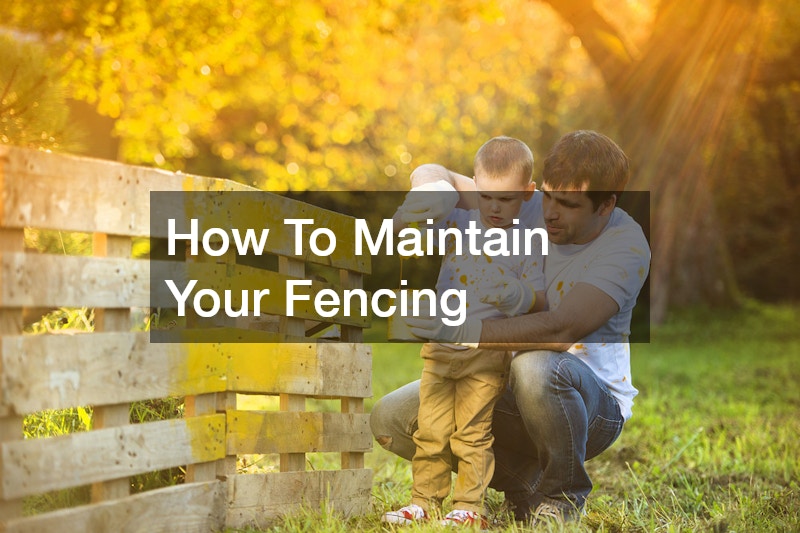
Iron fencing adds aesthetic value and security to a property. However, it requires consistent maintenance to prevent rust and early deterioration. Routine cleaning using mild detergent and water is essential to keep iron fencing in pristine condition.
Preventing and treating rust involves regular inspections and the immediate application of rust-resistant coatings. Address any minor scratches or chips with paint to deter corrosion. Small maintenance tasks go a long way in preserving the fencing’s appearance and structural integrity.
If damage occurs, timely repairs are necessary to prevent further problems. Welding minor breaks and replacing damaged sections maintain the overall strength of the fence. Consult local professionals if extensive repairs are needed to ensure quality workmanship.
Regular inspections can help property owners identify small issues before they develop into larger structural problems. Checking posts, rails, and fasteners periodically allows homeowners to spot early signs of wear, rust, or loosening connections. Addressing these concerns promptly can help extend the lifespan of the fence and maintain its stability.
Routine cleaning and basic maintenance also contribute to the long-term condition of fencing materials. Removing dirt, debris, and vegetation buildup around the fence line can reduce moisture exposure and limit corrosion or decay. These simple maintenance steps support both the appearance and durability of the structure over time.
When fences are well maintained and repaired as needed, they continue to serve their intended purpose of providing security, privacy, and clear property boundaries. A consistent approach to upkeep helps property owners preserve the functionality and visual appeal of their fencing for many years.
What is an Asphalt Driveway Reinforcement System?
An asphalt reinforcement system enhances the durability and performance of paved surfaces. It involves adding materials that strengthen the asphalt, extending its lifespan and reducing maintenance costs. This system is particularly beneficial in high-traffic areas where stress is common.
The installation process of asphalt reinforcement involves integrating grids or fibers within the asphalt mixture. This provides additional support and prevents common issues like cracking and rutting. Asphalt paving companies can provide expert advice on the best reinforcement system for your needs.
Choosing the right materials is key to the effectiveness of an asphalt reinforcement system. Consider factors like environmental conditions and required load-bearing capacity. Professional consultation can guide homeowners in selecting the most suitable option.
Which Paving Companies are the Best to Hire?

When hiring asphalt paving companies, reputation is a critical indicator of quality. Research their past projects and reviews to gauge their reliability. A company with a strong presence in the industry often signifies a track record of successful project completion.
Asking the right questions helps ensure you hire the best company for your paving needs. Inquire about their experience with similar projects and the types of reinforcement systems they offer. Discuss their approach to site preparation and quality control measures.
Understanding their service portfolio provides insights into their scope and expertise. Check if they offer a comprehensive range of services from installation to maintenance. A versatile company can meet various paving needs, offering customized solutions for different projects.
How to Select a Reliable Concrete Services
Sourcing a reliable concrete contractor is essential for quality workmanship and durable results. Start by evaluating their past work and seeking references from previous clients. A portfolio showcasing a variety of completed projects demonstrates the contractor’s expertise.
Licensing and insurance are non-negotiable when selecting a concrete contractor. These credentials ensure that the contractor adheres to industry standards and protects you from potential liabilities. Confirm their validity with local authorities to avoid complications.
Negotiating contract terms involves understanding the scope of work, costs, and timelines. A well-drafted contract outlines responsibilities and expectations from both parties. Transparency in contract discussions fosters trust and contributes to project success.
What Should I Know About Hiring Driveway Services?
When considering driveway installation, selecting the right contractor is critical. Driveway contractors should be knowledgeable about the variety of materials available, such as asphalt, concrete, and pavers. Each material offers unique benefits and requires specific installation techniques.
Maintenance tips for ensuring driveway durability include sealing cracks promptly and preventing water pooling. Regular cleaning extends the life of the driveway and maintains its appearance. Professional advice from driveway contractors can aid in implementing an effective maintenance routine.
Planning for seasonal changes is necessary to accommodate expansion and contraction in the driveway materials. Anticipating these changes helps in selecting suitable materials that withstand varying weather conditions. Expert contractors can guide homeowners in making informed decisions regarding material choice and placement.
How Do I Maintain My Pool?

Maintaining pool equipment is crucial for keeping your pool clean and functional. Regular inspections should be part of the routine to ensure all mechanisms are working smoothly. Filtering systems and pumps extend their lifespan with consistent upkeep and timely repairs.
Recognizing wear and tear requires attention to components like seals, joints, and valves. Regularly monitoring these parts helps prevent sudden malfunctions. Replacing essential parts before they affect the system’s operation maintains the pool’s overall performance.
Collaborate with professionals for servicing and advice on best practices. They provide tailored solutions for cleaning procedures and equipment management. Partnering with experts maximizes the efficiency of your investment in pool equipment.
What are Important Considerations When Choosing Pool Builders?
Choosing the right pool installers involves understanding ground conditions and their impact on installation. The topography of your site dictates the design and construction challenges faced during the installation process. Experienced installers offer solutions tailored to different terrain conditions.
Credentials provide assurance of professionalism and compliance with regulatory standards. Confirming their licenses ensures that pool installers are qualified and capable of executing projects successfully. Review the documentation thoroughly to avoid future complications.
Post-installation support is essential for maintaining your pool in top condition. Verify if installers offer services such as maintenance checks and troubleshooting advice. Reliable service contracts after installation enhance the longevity and enjoyment of your pool.
Establishing a regular maintenance routine can help homeowners stay organized and proactive when caring for their property. Creating a seasonal checklist for exterior tasks such as gutter cleaning, siding inspections, and roof evaluations allows homeowners to address potential issues before they worsen. Staying consistent with these responsibilities helps maintain the home’s structural integrity and overall appearance.
In addition to routine inspections, paying attention to small warning signs can make a significant difference in preventing larger repairs. Cracked caulking, loose shingles, peeling paint, or minor drainage problems may seem minor at first, but they can gradually lead to more extensive damage if left unresolved. Promptly addressing these issues helps maintain a property’s condition and avoids unnecessary repair costs.
Landscaping also plays a role in protecting a home’s exterior. Proper grading, strategic planting, and regular trimming of trees and shrubs can help reduce moisture buildup near the foundation and prevent debris from accumulating on roofing or siding. Thoughtful landscaping practices can support both the visual appeal and long-term protection of the property.
Homeowners who invest time in learning about proper maintenance techniques often find that their homes remain in better condition over the years. Accessing reliable resources, consulting professionals when necessary, and staying informed about recommended care practices can help property owners make practical decisions about maintenance and improvements.
By maintaining a balanced approach that combines preventative care, occasional upgrades, and professional support when needed, homeowners can create a property that remains comfortable and visually appealing. Consistent attention to exterior maintenance helps protect the home’s value while allowing residents to enjoy a well-cared-for environment for years to come.