Key Takeaways:
- Nearly 40% of American homes have roofs rated in moderate or poor condition, making seasonal inspections critical before snow arrives
- A standard roof can typically hold around 21 pounds of snow per square foot, but wet snow reaches that limit quickly
- Ice dams usually form because warm indoor air leaks into the attic and melts snow unevenly on the roof above
- Clearing gutters, trimming overhanging branches, and sealing attic air leaks are the three highest-impact preventive tasks before cold weather hits
- Flashing around chimneys, vents, and skylights fails more often than shingles themselves, so inspect these details closely
- Scheduling a professional inspection in late fall catches small issues before freezing temperatures turn them into expensive repairs
- Proper attic insulation and ventilation are the long-term fix for recurring ice dam and moisture problems
When temperatures drop and the first snow starts to fall, your roof becomes the single most important barrier between your family and the elements. Yet most homeowners rarely think about it until something goes wrong. By then, the damage is often already done, and the repair bill reflects that.
Winter is uniquely brutal on roofing systems. Freezing and thawing cycles pry open small cracks, heavy snow stresses the structure, and ice can back up under shingles and leak into living spaces. Each of these problems is predictable, which means each one is also preventable.
This guide walks through the most common cold-weather roofing headaches homeowners face and how to solve them before they drain your bank account. A few hours of preparation in the fall can save thousands in emergency repairs come January.
Why Winter Roof Problems Catch Homeowners Off Guard
Most people assume their roof is fine because it looks fine from the driveway. That assumption is costly. According to the National Association of Realtors, roughly 40% of homes have roofs rated as moderate or poor condition, which means millions of households enter winter with hidden vulnerabilities already in place.
The problem compounds in cold weather. A loose shingle in July is a minor annoyance. The same loose shingle in January becomes an entry point for meltwater that refreezes, expands, and lifts even more shingles with it. Small weaknesses rarely stay small once ice gets involved.
The solution is a shift in mindset. Treat your roof the way you treat your car: inspect it on a schedule, address small issues immediately, and never assume silence means everything is working.
Clogged Gutters and the Chain Reaction They Cause
Gutters are the unsung heroes of winter roofing. When they clog with leaves and debris, water has nowhere to go, so it pools along the roof edge, seeps under shingles, and freezes overnight. That frozen wedge then pries the roofing material apart from the inside out. Over the course of a single cold snap, what started as a handful of soggy leaves can turn into cracked flashing, lifted shingles, and interior ceiling stains that show up weeks later when you finally notice a brown ring spreading above the kitchen table.
The chain reaction does not stop at the roofline, either. Water that overflows a clogged gutter runs down fascia boards and soffits, saturating the wood and inviting rot, mold, and even nesting pests looking for a warm, damp hideout. By spring, you may be looking at replacement carpentry, repainting, and pest remediation on top of the original roof repair. That is why clogged gutters consistently rank near the top of any list of winter roof maintenance tips worth taking seriously.
Clearing gutters sounds tedious, but it is one of the highest-return tasks you can do. Pair it with a quick check of downspouts to make sure water actually travels away from your foundation rather than pooling at the base of your home. Pooling water near the foundation freezes, expands, and can crack concrete or push against basement walls, so a ten-minute downspout adjustment doubles as both roof care and foundation protection.
Timing matters too. Aim to clean gutters twice in the fall: once after the bulk of the leaves have dropped, and again just before the first hard freeze. In regions with pine needles or oak catkins, you may need a third pass, since those smaller bits of debris are notorious for slipping past standard guards and compacting into dense, water-blocking mats.
Here is a short checklist for gutter prep before the freeze:
- Remove all leaves, twigs, and sediment by hand or with a scoop
- Flush the system with a garden hose to confirm proper flow
- Reattach any loose brackets and tighten sagging sections
- Install mesh guards in areas with heavy tree cover
- Extend downspouts at least four feet from the foundation
- Check for rust spots or seams that may leak under ice pressure
- Inspect gutter slope to ensure a quarter-inch drop per ten feet toward the downspout
- Reseal end caps and corner joints with gutter-grade silicone if you see daylight through them
If climbing a ladder is not something you want to tackle alone, hire a pro. Falls from ladders during gutter work spike every autumn, and the cost of a service call is a fraction of an emergency room visit. A reputable gutter cleaning crew will also usually flag early warning signs you might miss from the ground, such as granule buildup from aging shingles, hairline cracks in the fascia, or sections of gutter that have pulled a quarter inch away from the house, giving you a head start on repairs before winter weather turns a small issue into an expensive one.
How Snow Load Threatens Your Roof’s Structure
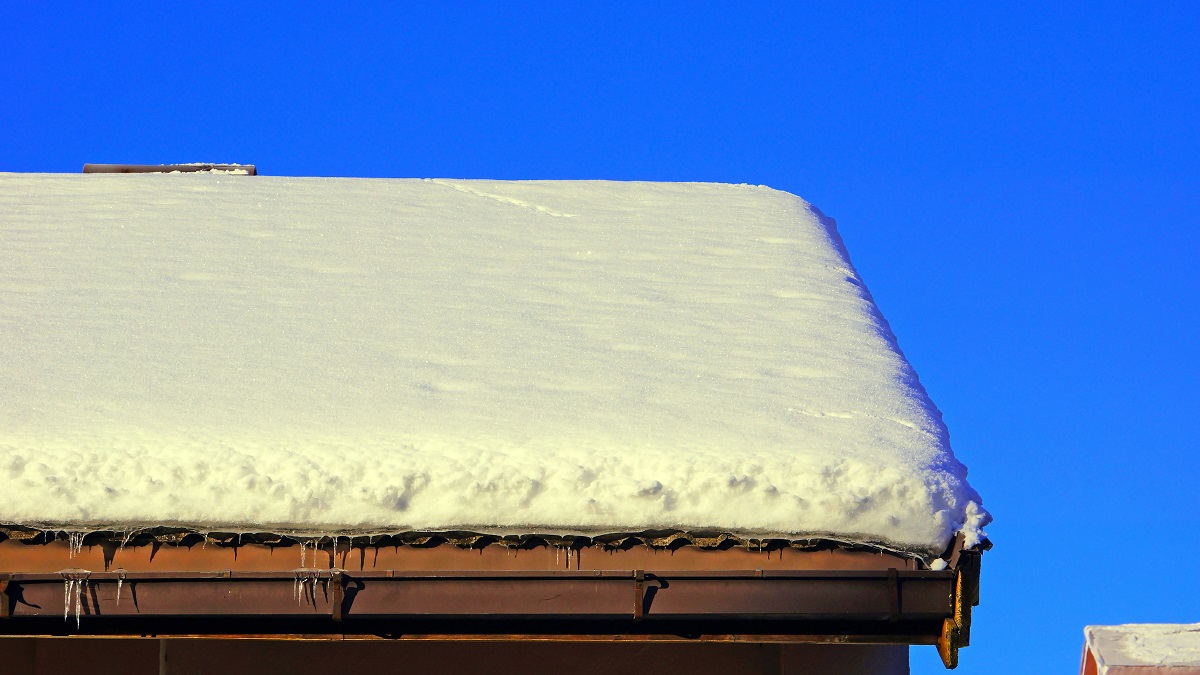
Snow is heavier than it looks, especially the wet, dense kind that falls near freezing temperatures. According to Mercury Insurance, the typical home can bear about 21 pounds of snow per square foot on its roof before the structure is at risk. That sounds like a lot until you realize wet snow can hit that number with just a foot of accumulation.
The Pacific Northwest National Laboratory Building America Solution Center backs this up, noting that heavy wet snow can weigh as much as 21 pounds per square foot under FEMA guidelines. In regions where storms stack snow on top of existing drifts, the math gets alarming fast.
When to Call a Snow Removal Service
If your snow depth is approaching one to two feet of wet accumulation, or if you hear creaking, popping, or see sagging ceilings inside the house, stop waiting. Call a professional with a roof rake and the right insurance to handle it safely. Climbing onto a snow-covered roof yourself is a recipe for injury, and improper raking can tear shingles clean off.
Winter Roof Maintenance Tips That Actually Stop Ice Dams
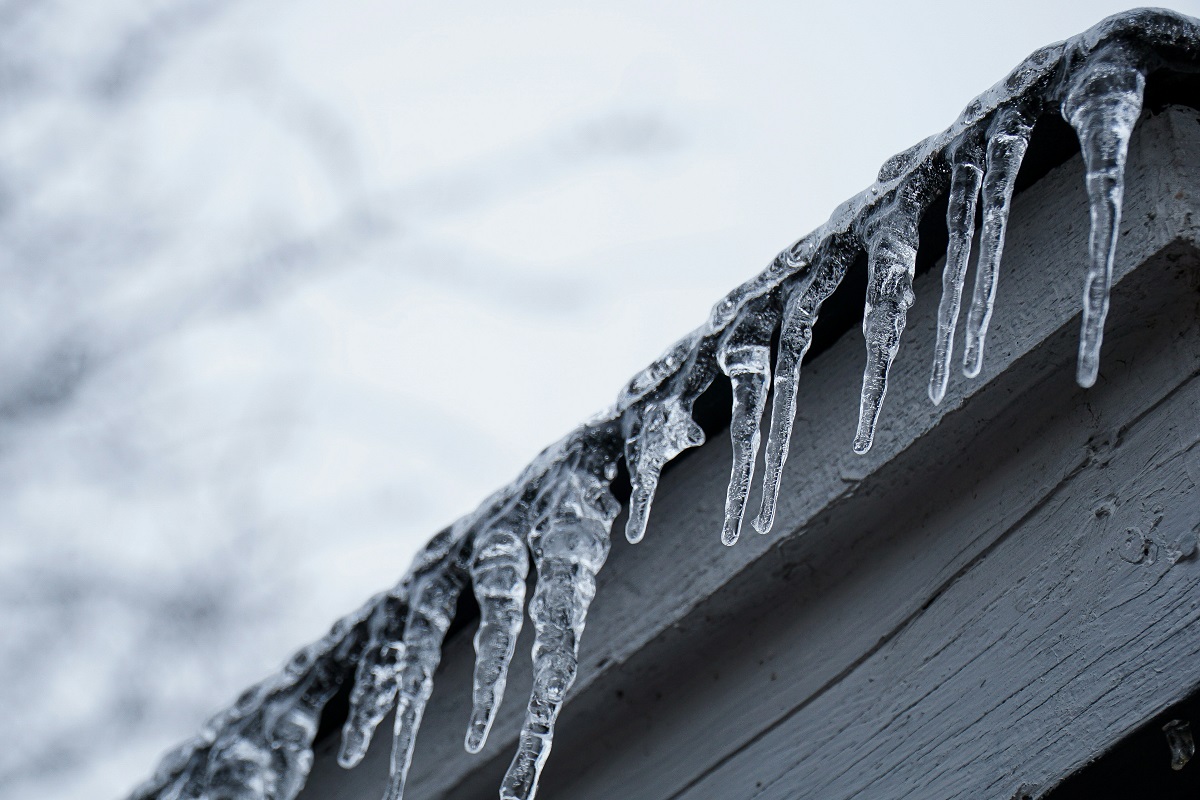
Ice dams are the single most destructive winter roof problem, and almost every homeowner misunderstands their cause. According to the Michigan Department of Emergency Management & Homeland Security, warm air escaping from living areas into the attic is typically what triggers ice dam formation. The warm air heats the roof deck, snow melts, water trickles down to the cold eaves, and refreezes into a growing wall of ice.
That ice wall then traps meltwater behind it, which eventually finds its way under shingles and into your ceiling, insulation, and walls. The water damage can run into tens of thousands of dollars, and mold often follows.
The real fix is not chipping away at ice from the ground, which damages shingles anyway. The real fix is stopping the heat loss that creates the dam in the first place. Follow these winter roof maintenance tips to attack the root cause:
- Add or upgrade attic insulation to R-49 or higher in cold climates
- Seal attic bypasses like recessed lights, plumbing stacks, and attic hatches
- Ensure soffit and ridge vents are clear and moving air freely
- Install heat cable along problem eaves as a short-term supplement
- Use a roof rake after each storm to pull snow back from the edges
Consistent roof care through the colder months is less about reacting to storms and more about controlling the conditions inside your attic.
Flashing, Shingles, and the Small Details That Fail First
Shingles get all the attention, but flashing is where most winter leaks actually begin. Flashing is the thin metal sheeting around chimneys, skylights, vents, and anywhere two roof planes meet. When sealant cracks or metal lifts, water finds the gap almost immediately.
Walk around your home with binoculars before winter and look at every penetration through the roof. Rust, lifted edges, missing caulk, and gaps where mortar meets metal are all red flags. Addressing these spots is cheap in October and ruinous in February. Many homeowners bundle these fixes with other seasonal projects, like chimney and roof upgrades, to save on labor and get everything inspected at once.
Spotting Shingle Trouble From the Ground
You do not need to climb upto spot shingles in distress. From the yard, scan each slope for curling corners, dark patches where granules have washed away, and any tabs that lift in the wind. Shingles that look buckled or wavy often signal moisture already trapped underneath. If you see shiny spots, those are usually bare asphalt where the protective granules are gone, which means that section has months, not years, left before it fails outright.
Pay special attention to the north-facing slope. It gets less sun, dries more slowly, and tends to show wear first. Moss and algae also prefer that side and can trap moisture against the shingle surface all winter.
The Case for a Professional Fall Inspection
Even thorough homeowners miss things. Roofers are trained to spot subtle warning signs most people never notice: nail pops, worn pipe boots, hairline cracks in flashing sealant, soft decking underfoot. A fall inspection usually runs a couple hundred dollars and often pays for itself the first time it catches a problem early.
Schedule the visit before the first hard freeze. Contractors book up fast once storms start rolling in, and emergency calls cost significantly more than planned maintenance. Ask the inspector for a written report with photos so you have a baseline to compare against next year.
A good inspection should cover:
- Shingle condition across every slope and valley
- Flashing integrity around all penetrations
- Attic ventilation and insulation levels
- Gutter attachment and slope
- Signs of past leaks in the attic decking
- Chimney cap, crown, and masonry condition
If the inspector recommends repairs, get them done before Thanksgiving if at all possible. Sealants, adhesives, and roofing cement all need temperatures above a certain threshold to cure properly, and most products stop working well once nights drop below freezing.
Ventilation and Insulation: The Long Game
Patching symptoms will only get you so far. If you deal with ice dams year after year, or if your attic feels warm when it should be cold, the underlying issue is almost always a combination of poor insulation and inadequate ventilation. Fixing these two systems together is the only permanent solution.
A balanced attic has intake vents low at the soffits and exhaust vents high at the ridge. Cold air flows in from below, warm air escapes above, and the roof deck stays close to the outside temperature. That consistency is what prevents the melt-and-refreeze cycle that drives most winter damage.
Insulation does the other half of the work by keeping household heat where it belongs: in your living spaces. Blown-in cellulose or fiberglass is relatively inexpensive, and most homes built before 2000 are under-insulated by current standards. Upgrading often pays back in heating bills alone within a few winters, with roof protection as a bonus.
Final Thoughts
Winter does not have to mean dreading every snowfall and wondering whether this is the storm that finally causes a leak. The homeowners who get through the season without incident are not lucky, they are prepared. They clean their gutters in October, seal their attics in November, and keep a roof rake in the garage for when storms stack up.
The common thread across every tip in this guide is simple: small problems addressed early stay small. Shingles, flashing, insulation, and ventilation all work as a system, and attending to each piece before the temperature drops is what keeps that system functioning when it matters most. Spending a weekend on preparation now beats spending a month coordinating repairs and insurance claims later.
Make a short list this week, walk your property, and knock out what you can. For the rest, bring in a qualified roofer while the schedule is still open. Your future self, sitting warm and dry through the next blizzard, will be glad you did.