
A home rarely falls apart all at once. More often, trouble starts quietly: a small drip under the sink, a room that never feels warm enough, a hairline crack near a doorway, or a draft that shows up every winter. At first, these problems seem easy to ignore. Life is busy, and most homeowners have plenty of other things competing for their attention.
Preventive maintenance is the habit of paying attention before something becomes urgent. It is not about worrying over every squeak or stain. It is about learning how your home normally looks, sounds, and feels so you can recognize when something changes. When you catch issues early, you usually have more options, more time to compare solutions, and less financial stress.
The best maintenance plans are practical. They fit into real life. You do not need to inspect every corner of your home every weekend. What you need is a simple rhythm: seasonal checkups, basic records, a realistic budget, and a willingness to address warning signs before they grow.
Creating a Seasonal Routine That Fits Real Life

A useful maintenance routine should feel manageable, not overwhelming. Instead of trying to remember every task at once, divide the year into seasonal priorities. Spring is a good time to look for damage left behind by winter weather. Summer is ideal for outdoor cleaning, ventilation checks, and exterior projects. Fall is the season for preparing heating systems, sealing drafts, and clearing gutters. Winter is when you watch closely for moisture, insulation problems, and equipment strain.
Start with a basic calendar. You can use a notebook, spreadsheet, phone reminder, or home maintenance app. The format matters less than consistency. Write down what you checked, what you fixed, and what needs follow-up. Over time, these notes become surprisingly valuable. If the same outlet trips twice, the same room stays humid, or the same gutter overflows every storm, your records help you spot patterns.
A simple seasonal rhythm might include:
- Checking smoke and carbon monoxide detectors
- Replacing HVAC filters
- Inspecting visible plumbing for leaks
- Cleaning gutters and downspouts
- Testing exterior lights and locks
- Looking for cracks, stains, drafts, or unusual odors
- Reviewing warranties and service dates
The goal is not perfection. The goal is familiarity. A homeowner who knows what “normal” looks like is much more likely to catch trouble early.
Monitoring Comfort Systems Before They Fail
Heating and cooling systems often give warnings before they stop working. A unit may run longer than usual, make a new sound, struggle to keep up on hot afternoons, or cause utility bills to rise without an obvious reason. These are the kinds of changes worth noting because they can point to airflow issues, worn parts, thermostat problems, or aging equipment.
For cooling, pay attention to weak airflow, warm air from vents, short cycling, and moisture around the unit. Sometimes the solution is simple, like changing a dirty filter or clearing debris around the outdoor condenser. Other times, a professional evaluation may be needed before a small problem turns into an emergency air conditioner repair during the hottest week of the year.
Heating deserves the same attention. If certain rooms feel cold, the system smells unusual, or the furnace becomes noisy, do not wait until it fails completely. In some homes, maintenance and minor repairs can extend the system’s life. In others, furnace replacement may be the more practical choice, especially when equipment is old, inefficient, or repeatedly breaking down.
A good homeowner habit is to schedule professional service before peak season. That usually means checking cooling equipment before summer and heating equipment before winter. It is easier to solve problems when contractors are less overwhelmed and your household is not depending on the system every hour of the day.
Responding to Household Equipment Issues Early
Most appliances are easy to take for granted until they interrupt daily life. A refrigerator that runs constantly, a dishwasher that leaves dishes cloudy, a dryer that takes two cycles, or a washing machine that shakes harder than usual may seem like minor annoyances. Still, those small changes can be early signs of wear, clogged components, poor ventilation, or leaks.
The first step is observation. Listen for new sounds. Watch for moisture. Notice whether cycles are taking longer. Check hoses, seals, lint traps, and visible connections. Many appliance problems worsen because nobody notices them until the damage spreads to flooring, cabinetry, or nearby walls.
There is also a practical financial side to appliance repairs. A newer machine with one failing part may be worth fixing. An older appliance with repeated breakdowns may not be. Before deciding, consider the age of the unit, the repair estimate, energy use, and whether replacement parts are readily available. For example, repairing a reliable washer may make sense, while repeatedly servicing an inefficient refrigerator could cost more over time.
Homeowners should also keep manuals and model numbers in one place. When something breaks, having that information ready makes scheduling service easier and helps technicians identify parts faster. It is a small organizational habit that can reduce stress when something goes wrong.
Protecting Structural Stability With Better Drainage
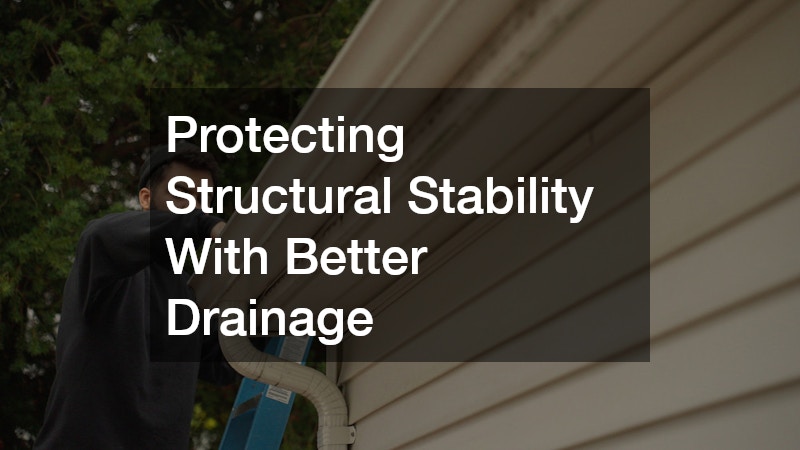
Structural problems are among the most intimidating issues a homeowner can face, partly because they are easy to misunderstand. Not every crack means disaster. Homes settle, materials expand and contract, and minor cosmetic cracks can appear over time. The key is knowing which signs deserve attention.
Look for cracks that widen, stair-step cracks in masonry, doors or windows that suddenly stick, uneven floors, gaps around trim, or water pooling near the base of the home. These symptoms can point to movement, moisture pressure, or soil changes around the property. When several signs appear together, it is wise to investigate rather than guess.
Water management is one of the most important forms of structural prevention. Gutters should move water away from the house, not dump it beside the foundation. Downspouts should discharge far enough from the walls. Soil should slope away from the home where possible. Landscaping should not trap moisture against exterior walls.
If warning signs continue or worsen, a foundation repair service can evaluate the cause and recommend next steps. The sooner the source is identified, the better. Delayed action can allow cracks, moisture issues, and settlement to spread into other parts of the home.
Think of drainage as a protective system. The roof, gutters, grading, and soil all influence how water behaves. When that system works well, your home has a much better chance of staying stable over the long term.
Preventing Water Intrusion From the Outside In
Water is one of the most persistent threats to a home. It does not need a dramatic storm to cause damage. A tiny opening around flashing, a cracked windowpane, a loose shingle, or a failed seal can let moisture in slowly. By the time a stain appears on the ceiling or wall, the problem may have been developing for weeks or months.
After severe weather, walk around the property and look for obvious changes. You do not need to climb onto the roof to notice missing shingles, damaged gutters, sagging areas, or debris buildup. Inside, check ceilings, attic spaces, and upper walls for discoloration, musty smells, or soft spots. Early roof repairs can often prevent insulation damage, mold growth, and interior repairs.
Windows and glass features also deserve attention. Cracks, fogging between panes, failed seals, and drafts can affect both comfort and moisture control. In some cases, glass replacement is necessary to restore safety, visibility, and efficiency. This is especially important for windows exposed to heavy weather, doors used frequently, or glass near high-traffic areas.
A homeowner in a rainy climate might notice one small brown ring on a ceiling after a storm and assume it is old. The safer move is to mark the date, take a photo, and check it again after the next rain. If it grows or darkens, you have a clear sign that moisture is still entering.
Improving Daily Access and Security Over Time
Some home systems are used so often that homeowners stop noticing them. The garage door is a good example. It may open and close several times a day, carrying a lot of weight while relying on springs, tracks, rollers, sensors, and an opener. When it works, it fades into the background. When it fails, it can disrupt your schedule and create a safety concern.
Preventive care starts with watching how the door moves. It should travel smoothly, stay balanced, and reverse when the safety sensors detect an obstruction. Grinding, shaking, uneven movement, or delayed response are signs that something needs attention. Lubricating moving parts, keeping tracks clean, and tightening visible hardware can help reduce wear.
There comes a point when repeated repairs are no longer the best answer. If the door is damaged, poorly insulated, outdated, or missing modern safety features, garage door installation may be worth considering as a planned upgrade rather than an emergency purchase. Planning ahead gives you time to compare materials, insulation options, openers, and security features.
This section of maintenance is not just about convenience. It is about protecting one of the most commonly used entry points into the home.
Preparing Backup Plans Before Emergencies Happen
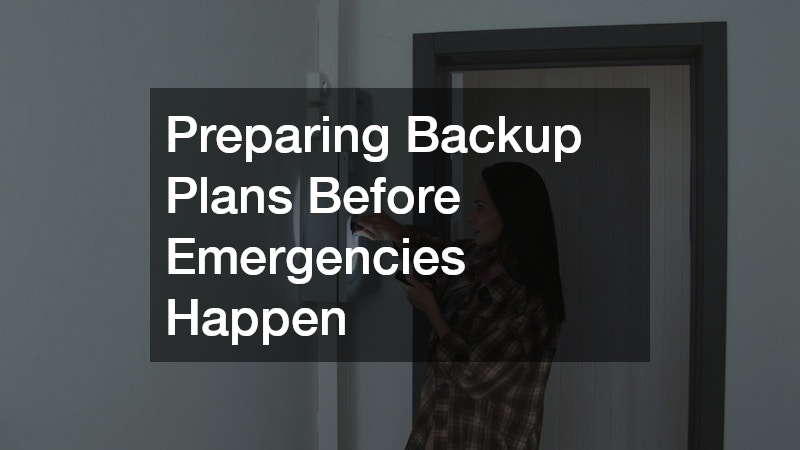
Emergency planning is easiest to ignore when everything is working. The lights are on, the refrigerator is cold, the sump pump is quiet, and phones are charged. Then a storm knocks out power, and the household suddenly has to make quick decisions in the dark.
Preventive maintenance includes thinking through these situations before they happen. Start by identifying what your home truly needs during an outage. For some families, the priority is refrigeration and basic lighting. For others, it may include medical equipment, well pumps, sump pumps, heating equipment, or the ability to work from home.
Generator installation is one option for households that need dependable backup power. Before choosing a system, homeowners should consider fuel type, capacity, placement, noise, local requirements, and which circuits need support. A professionally installed system can be especially helpful in areas with frequent storms or unreliable utility service.
Preparedness also includes smaller steps:
- Keep flashlights and batteries in predictable locations.
- Store basic supplies where everyone can find them.
- Test backup equipment according to manufacturer recommendations.
- Review emergency contacts once or twice a year.
- Keep important documents accessible.
The purpose is not to expect the worst every day. It is to make the worst days less chaotic.
Cleaning Exterior Surfaces Without Causing Damage
Exterior cleaning is often treated as cosmetic, but it can also prevent long-term wear. Dirt, algae, mildew, salt, pollen, and grime can hold moisture against surfaces and speed up deterioration. Walkways become slippery. Decking can discolor. Siding can stain. Driveways can collect buildup that makes cracks harder to see.
That does not mean every surface should be blasted with high pressure. In fact, improper cleaning can damage wood, loosen siding, scar concrete, or force water behind exterior materials. The best approach depends on the surface. Some areas need low pressure and the right cleaner. Others can handle stronger washing if done carefully.
For homeowners who only need equipment occasionally, pressure washer equipment rental can be a practical option. Before starting, read the instructions, test a small area, and choose the right nozzle. Keep the spray moving rather than concentrating force in one spot. Avoid spraying directly into window seals, vents, electrical fixtures, or gaps in siding.
A good exterior cleaning plan is selective. Clean what needs cleaning, use the gentlest effective method, and inspect surfaces while you work. You may notice loose boards, cracked caulk, failing paint, or drainage problems that were hidden under grime.
Planning Projects With Proper Documentation
Home improvement projects can be exciting, especially when they make a house more comfortable or functional. Still, some projects involve more than choosing materials and hiring help. Structural changes, major mechanical work, electrical updates, additions, and certain exterior improvements may require approvals or inspections.
This is where planning matters. A local construction permitting service can help homeowners understand what documentation may be needed before work begins. Requirements vary by location and project type, so it is risky to assume that a neighbor’s project followed the same rules yours will.
Permits can feel like a hassle, but they often protect the homeowner. They create a record that work was reviewed, inspected, and completed according to applicable standards. That documentation can matter later when selling the home, filing insurance claims, or resolving questions about previous renovations.
Keep a folder for project records. Include contracts, invoices, product warranties, inspection reports, permits, photos, and maintenance instructions. Years later, you may not remember what was behind a wall or which contractor completed the work. Good records answer those questions for you.
Budgeting for Maintenance Instead of Reacting to Repairs

Many homeowners budget for mortgage payments, utilities, insurance, and taxes, but maintenance gets treated as an unpleasant surprise. That makes every repair feel like a setback. A better approach is to assume that every home needs ongoing care and to set aside money before problems appear.
There are different ways to estimate maintenance costs. Some homeowners save a percentage of the home’s value each year. Others base their budget on the age of the property, climate, and condition of major systems. An older home with mature trees, aging equipment, and a complex roofline may need a larger reserve than a newer, simpler property.
Prioritization matters. Safety issues come first. Active leaks, electrical concerns, structural warning signs, and failing heating or cooling systems should move ahead of cosmetic upgrades. After that, focus on problems that could become more expensive if ignored.
A practical maintenance budget should include three categories:
- Routine tasks, such as filters, cleaning, inspections, and small parts
- Planned projects, such as equipment replacement or exterior improvements
- Emergency reserves for sudden failures or storm-related damage
Budgeting does not remove every surprise, but it softens the impact. It also helps homeowners make calmer decisions because they are not forced to choose the cheapest quick fix under pressure.
Caring for Your Home With Confidence
Preventive maintenance is not about turning homeownership into a second job. It is about building confidence. When you understand your home’s systems, keep basic records, plan ahead, and respond to early warning signs, you reduce the chances of expensive emergencies.
Some tasks will be simple enough to handle yourself. Others will require trained professionals. The wisdom is knowing the difference. A homeowner can replace filters, check for leaks, clean safely, document changes, and notice warning signs. Licensed experts are still essential for complex repairs, major installations, structural concerns, and work that affects safety.
The most important habit is consistency. Walk around your home. Listen to it. Notice what changes. Write things down. Ask questions before small problems grow. Over time, those simple actions help protect comfort, safety, value, and peace of mind.