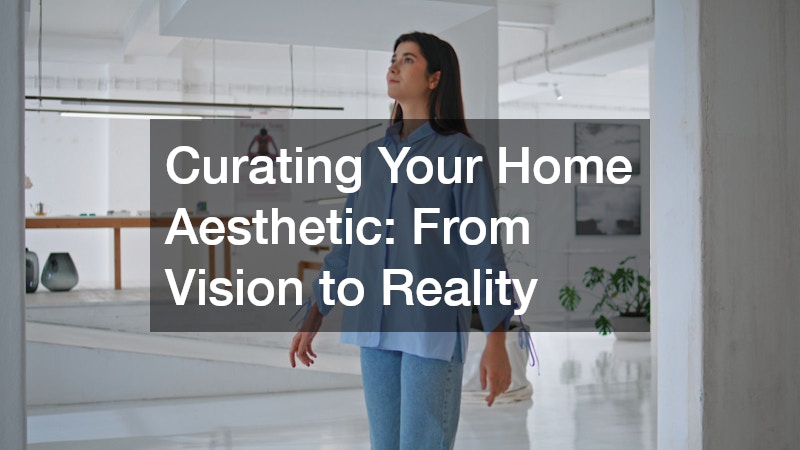
The concept of a home aesthetic has undergone a massive transformation. Social media platforms bombard us with daily glimpses into flawless, sun-drenched living rooms, minimalist kitchens, and perfectly organized closets. It is easy to look at these digital snapshots and feel a sense of design paralysis. The underlying myth of the perfect home suggests that an aesthetic is something you buy out of a catalog or copy directly from a trending feed. In reality, a true, sustainable home aesthetic is not about replicating someone else’s life; it is a personal narrative told through color, texture, light, and form. It is the art of balancing functional daily living with deep visual comfort.
Why does establishing a cohesive design identity matter so much? The spaces we inhabit have a profound, measurable impact on our psychological well-being. A chaotic, fragmented environment can subtly elevate cortisol levels, feeding into daily stress and making it difficult to unwind. Conversely, a home that feels visually unified and thoughtfully arranged acts as an emotional anchor. When the colors, textures, and architectural details of your home align with your internal preferences, your space becomes a genuine sanctuary that restores your energy.
This comprehensive guide is designed to take you on a deep dive through the entire process of curating your home’s identity. We will move past superficial decorating tips and explore the structural, tactile, and spatial decisions that form the bedrock of great design. From discovering your foundational design pillars to making high-impact structural investments, you will learn how to build a space that feels deeply intentional, functionally seamless, and uniquely yours.
Discovering and Defining Your Core Style

Before you purchase a single piece of furniture or select a paint swatch, you must uncover your foundational design identity. Many homeowners make the mistake of buying items they love individually, only to find that these pieces clash when placed in the same room. To avoid this, you need a clear, intentional design filter.
- The Closet Method: Open your wardrobe and analyze the dominant themes. Do you see a sea of neutral tones, structured tailoring, and minimalist lines? Or are your racks filled with rich, earthy textures, vibrant patterns, and relaxed silhouettes? Your clothing choices are a direct reflection of the colors and textures that make you feel confident and at ease. Translate these elements into your home.
- The “Three-Word” Rule: To keep your design choices focused, select three anchoring words that define how you want your space to feel and look. For example, you might choose Organic, Modern, Warm or Industrial, Vintage, Moody. Write these words down. Every time you consider a purchase, ask yourself if the item embodies at least two of these three characteristics. If it does not, leave it behind.
Creating an Intentional Mood Board
To build an effective mood board, look beyond standard home decor feeds. Source inspiration from historical architecture, cinematic set designs, landscapes, and travel photography. Notice the quality of light in the images you collect. Are they bright and airy, or dark and dramatic?
Once you have gathered thirty to forty images, step back and look for recurring threads. You will likely notice patterns you did not realize you favored: perhaps a consistent preference for matte black metals over polished brass, or a repeated appearance of light oak wood tones rather than dark walnut. These repeating elements form the baseline of your custom aesthetic.
Establishing the Architectural Canvas
Once your design identity is defined, you can begin focusing on the structural elements that frame your home. The way light enters a space and the architectural boundaries of your rooms dictate how every piece of furniture and decor will be perceived.
Manipulating Natural Light and Spatial Flow
Natural light is the ultimate design material. It changes throughout the day, altering the hue of your paint and the warmth of your woods. To maximize this asset, look at the literal openings of your home. If your current frames are thick, warped, or blocking out precious sunlight, prioritizing a professional window installation can instantly elevate the architectural integrity of your interior. New, high-efficiency glass systems with slim profiles allow the outdoors to become a living art piece within your home, bridging the gap between your interior decor and the natural landscape.
When selecting your structural frames, consider how the finish aligns with your three-word design filter. For instance:
- Modern and Minimalist: Thin, matte black aluminum frames create sharp, graphic lines that frame views like modern artwork.
- Traditional and Transitional: Warm wood interiors or classic white grids provide a timeless, grounded feel that honors historic architecture.
- Coastal and Organic: Uncluttered, expansive glass panels maximize light reflection and emphasize an airy, breezy atmosphere.
Light Control as a Styling Tool
While maximizing light is essential, controlling it is equally important for creating ambiance. The hard treatments you choose for your windows add structural geometry to a room. Opting for classic, clean-lined shutters allows you to control the exact angle of incoming sunlight, creating beautiful shadow patterns across your floors and walls throughout the day. These architectural fixtures become a permanent part of the room’s woodwork, adding value and a sense of built-in craftsmanship that flimsy, temporary blinds simply cannot replicate.
Designing the Hardworking Hubs
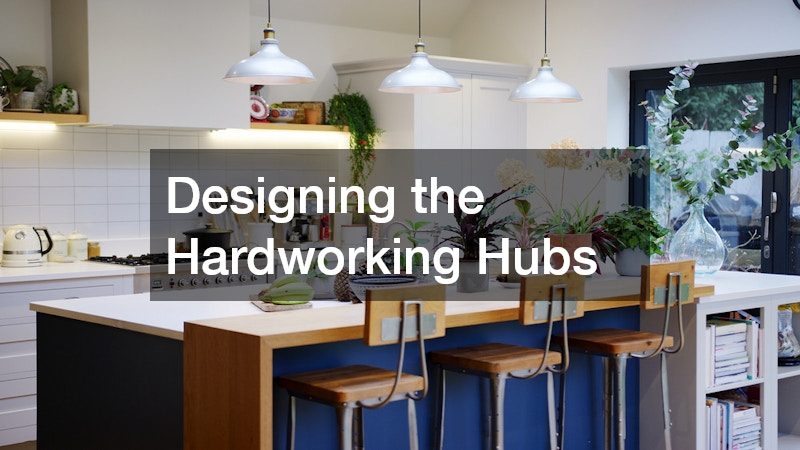
Certain areas of the home demand a higher level of financial and creative investment because they experience the highest daily traffic. The kitchen is the undisputed heart of the home, and its design sets the aesthetic benchmark for every adjacent room.
Balancing Form and Function in Culinary Spaces
A beautiful kitchen that functions poorly is a failure of design. When embarking on a comprehensive kitchen renovation, your primary goal should be to harmonize workflow with visual beauty. The layout must respect the way you live, whether you are an avid home chef who needs expansive prep zones or a frequent entertainer who requires an open island for guests to gather around.
To create a cohesive aesthetic in a hard-working space, focus heavily on the largest surface areas. Your countertops and backsplashes carry the visual weight of the room. Investing in a professional countertop service ensures that your stone slabs are selected, cut, and veined to match the exact movement of your kitchen’s design. Whether you choose the dramatic, sweeping veins of calacatta quartz or the quiet, muted elegance of honed soapstone, the surface selection forms the artistic centerpiece of the room.
Material Mixing Rules for a Cohesive Kitchen
To prevent your kitchen from looking flat or overly industrial, practice the art of thoughtful material blending:
- The Rule of Two Tones: If your countertops feature a complex, busy pattern, keep your backsplash simple and uniform. If your surfaces are solid and monochromatic, introduce a textured, handmade Zellige tile for the backsplash to catch the light.
- Contrast and Balance: Pair cool stone surfaces with warm wood accents, such as open shelving or oak counter stools, to soften the hard edges of the appliances and masonry.
- Consistent Metals: Keep your primary plumbing fixtures, cabinet pulls, and light fixtures within a complementary metal family (e.g., mixing matte black with brushed brass, or polished nickel with stainless steel) to maintain visual rhythm.
Storage Artistry and Built-In Elements

Visual clutter is the ultimate enemy of a curated home aesthetic. No matter how beautiful your furniture or color palette may be, an accumulation of daily items will disrupt the sense of peace. The solution lies in integrating seamless, high-capacity storage into the literal architecture of your rooms.
Eliminating Visual Noise Through Hidden Storage
Freestanding storage furniture can often fragment a room, making it feel smaller and disjointed. Incorporating custom cabinets into your living areas, mudrooms, and hallways allows you to utilize every square inch of vertical space while maintaining a clean, unbroken wall plane. Built-in cabinetry can be painted the exact color of your walls to make them visually disappear, or they can be finished in rich wood stains to act as an architectural feature.
This philosophy of integrated, high-end storage is equally vital when planning comprehensive bathroom renovations. Bathrooms are notoriously difficult to style because they are filled with small, unappealing utilitarian items. By designing bespoke vanities with dedicated internal outlets, hidden linen towers, and recessed medicine cabinets, you can keep your daily skincare and grooming tools entirely out of sight, leaving the beautiful stonework and premium fixtures to take center stage.
Selecting Cabinet Profiles and Details
The micro-details of your cabinetry dictate the overarching design era of your home, and selecting the right door profile is crucial for establishing the proper visual effect. For a highly modern, minimalist, or Japandi-inspired aesthetic, slab or flat-panel doors create a completely smooth, continuous surface that highlights clean lines and natural wood grain. Those leaning toward transitional, craftsman, or farmhouse styles will find a classic anchor in the traditional Shaker profile, which features a recessed center panel that provides clean geometry without feeling overly ornate. If your goals lean toward an elevated traditional or European country look, a beaded or micro-shaker door introduces a delicate, thin frame detail that catches subtle shadows for an upscale feel. Finally, louvers or integrated grips work beautifully in coastal and mid-century modern spaces, introducing textural rhythm directly into the door face and eliminating the need for external hardware altogether.
Sensory Textures and Textual Foundations
An exceptional home aesthetic addresses more than just the eyes; it speaks to the sense of touch. A room that looks beautiful in a photograph can still feel cold and uninviting in person if it lacks tactile diversity.
The Tactile Experience of Private Sanctuaries
The private spaces of your home, particularly your bedrooms, should be designed with a heavy emphasis on comfort and physical restoration. The foundational element of a restful bedroom aesthetic is the sleep setup itself. Investing time in researching new mattresses that provide both the structural support you need and the plush, inviting profile required for luxury bedding is a crucial first step. The height and loft of your mattress dictate how your linens drape, affecting the overall tailored or relaxed look of the entire room.
Once the physical foundation of comfort is set, layer your fabrics with intention:
- The Base Layer: Crisp percale or smooth sateen cotton sheets provide a clean, structured starting point.
- The Mid Layer: A quilted cotton or waffle-weave blanket adds a micro-texture that introduces depth when the duvet is folded back.
- The Top Layer: A heavy linen or velvet duvet paired with a chunky knit throw blanket at the foot of the bed creates an irresistible invitation to rest.
Revitalizing Architectural Textures
Tactile depth should also be present on the hard surfaces of your home. If your home features outdated, rough, or damaged masonry, a professional stone resurfacing project can completely transform the atmosphere. Smoothing down old brick fireplaces, altering the finish of stone accent walls from high-gloss to a soft matte satin, or restoring natural slate floors can completely shift a room’s energy. It brings an organic, grounded element into your living spaces, catching both natural and artificial light in a way that regular drywall never can.
Expanding the Aesthetic to the Great Outdoors
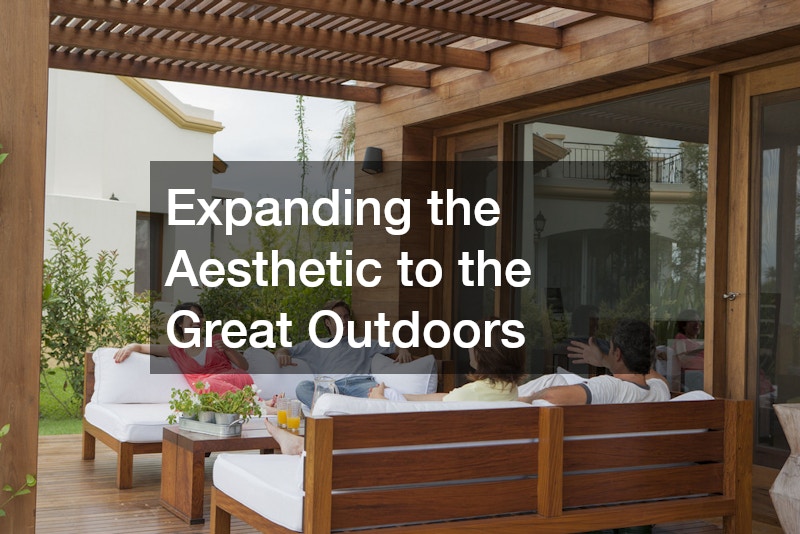
Your design narrative should not abruptly stop at the back door. To create a truly cohesive estate, your exterior living spaces should feel like an organic extension of your interior floor plan.
Seamless Indoor-Outdoor Transitions
Biophilic design principles show that homes which blur the boundaries between the indoors and outdoors feel significantly larger and less stressful. To achieve this, design your backyard or patio with the same care you would give to an indoor living room. If you live in an environment prone to unpredictable weather or pests, adding a custom patio screen enclosure allows you to enjoy the fresh air and views without compromising on comfort. This structured outdoor room can be styled with weather-resistant sectional sofas, outdoor rugs that mimic interior textiles, and beautiful ambient lighting, creating a seamless secondary lounge that flows beautifully from your main living areas.
Curating the Exterior Envelope
The literal shell of your house acts as the prologue to your interior design story. If the outside of your home feels dated, damaged, or unaligned with your internal style, it creates an unpleasant visual disconnect the moment you walk up the driveway. Utilizing professional stucco services to update, smooth, or repair the exterior walls of your property can completely modernize a home’s silhouette. A clean, beautifully textured exterior facade acts as a pristine canvas, highlighting your landscaping, architectural lighting, and entry doorways, ensuring that your home’s aesthetic is unified from the curb to the kitchen.
Putting together your home aesthetic is a deeply personal journey that requires patience, intentionality, and a willingness to look past fleeting internet trends. A truly beautiful home is not created overnight by purchasing a matching showroom set; it is built layer by layer through thoughtful choices that balance structural beauty with everyday utility. By focusing on how light moves through your space, investing in high-quality built-in elements, and embracing a rich variety of tactile textures, you can create an environment that tells your story perfectly. Trust your instincts, honor your daily routines, and enjoy the rewarding process of shaping a home that feels exactly like you.

