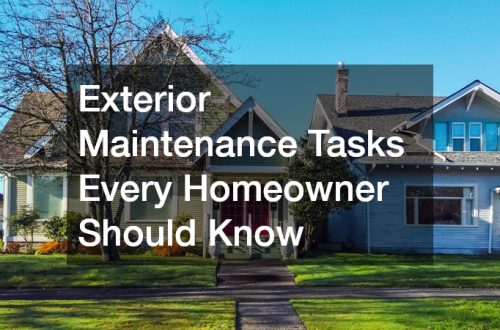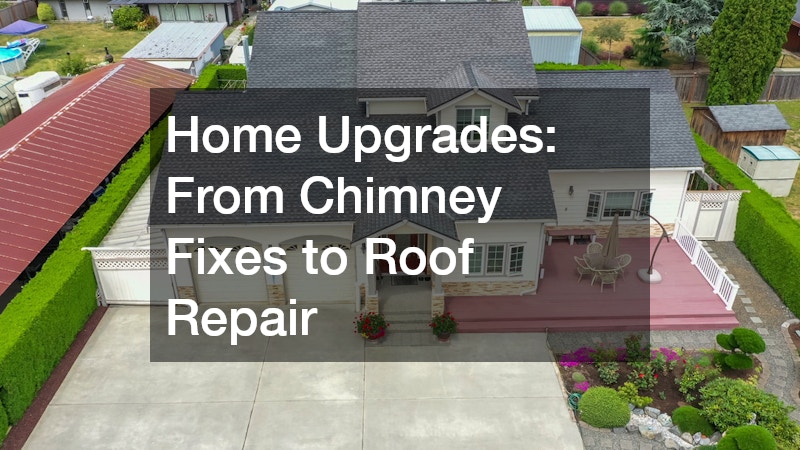
Upgrading and maintaining your home is not just about aesthetics; it’s about protecting your investment and ensuring the safety and comfort of your family. From the integrity of your chimney to the condition of your roof, home repairs play a vital role in preventing structural issues, enhancing energy efficiency, and maintaining property value. Homeowners often overlook essential maintenance tasks, such as roof repair, chimney inspection, or even updating air conditioning systems, until minor problems escalate into costly emergencies. Understanding the signs that indicate a need for repair and knowing the options available for upgrades can make all the difference in preserving your home.
In this article, we will explore essential home upgrades with a particular focus on chimney fixes and roof repair. We will also highlight other important improvements, including exterior doors, garage door repair, deck construction, HVAC systems, and electrical updates, showing how they all interconnect to enhance overall home safety and efficiency. By the end of this guide, you will have a comprehensive understanding of the home maintenance tasks that cannot be ignored and practical advice on how to approach each repair responsibly. Roof repair will remain a central theme, tying together these various aspects of home improvement while providing insight into when to call professionals and when preventive care can save time and money.
Why Is Regular Chimney Maintenance Important?
Preventing Structural Damage
Neglecting your chimney can lead to serious structural damage over time. A damaged chimney may cause water infiltration, weakening the mortar and bricks, which can compromise the integrity of your roof and surrounding walls. Moisture buildup inside the chimney can also contribute to mold growth and deterioration, affecting nearby wooden structures like roof decking or ceiling beams. Chimney repairs can be expensive, particularly if the damage extends beyond the chimney itself. Regular maintenance, such as inspecting the flue, checking for cracks, and reinforcing masonry, helps prevent these costly outcomes. This preventive approach not only protects your home but also supports other related repairs, such as roof repair or deck construction, by ensuring water and debris are properly managed.
Improving Air Quality
A well-maintained chimney plays a crucial role in improving indoor air quality. Soot, creosote buildup, and blockages in the chimney can lead to harmful fumes entering your home, which may trigger respiratory problems or aggravate allergies. Regular cleaning by a professional chimney technician removes these hazards and ensures proper ventilation for fireplaces, stoves, and furnaces. This maintenance complements other home systems, such as HV AC companies’ services, by ensuring that airflow remains clean and efficient throughout the house. Additionally, a clean and safe chimney can reduce strain on heating systems, lowering energy bills while keeping your living environment safe and comfortable.
How Can I Identify Chimney Problems?
Common Signs of Damage
Recognizing the early signs of chimney problems can prevent more significant repairs down the line. Look for cracks in the chimney crown or masonry, flaking bricks, and discoloration from water damage. Rusted or missing chimney caps, leaning chimneys, or smoke that doesn’t rise properly are also red flags. Homeowners may notice a musty smell or water stains on ceilings and walls near the fireplace. Addressing these problems promptly reduces the risk of requiring extensive roof repair or even exterior door replacement due to water infiltration. Additionally, signs like creosote buildup indicate the need for professional cleaning to ensure safe operation.
Importance of Professional Inspections
While homeowners can monitor for visible issues, professional inspections provide a deeper assessment of your chimney’s condition. Certified chimney technicians have the tools and experience to detect hidden damage, structural weaknesses, and ventilation problems. Regular inspections can uncover issues such as cracked flue liners or blockages that might not be apparent to the untrained eye. Working with professionals also ensures that any chimney repair integrates smoothly with other home systems, such as HVAC companies, air conditioning units, or roof repair services. By scheduling inspections annually, you maintain a proactive approach that protects both your chimney and the larger home structure.
What Are the Signs Indicating I Need Roof Repairs?
Leaks and Water Stains
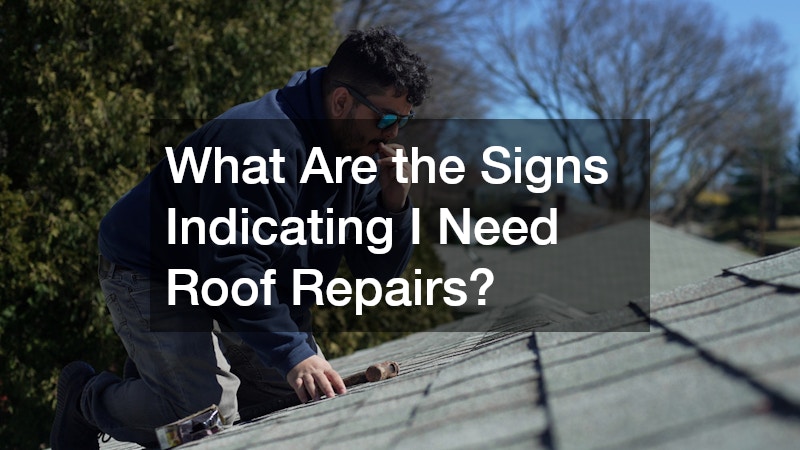
Leaks and water stains on ceilings or in the attic are often the first signs that roof repair is necessary. Even small leaks can worsen over time, leading to mold growth, wood rot, and damage to insulation. Ignoring these signs can compromise the structural integrity of your home, affecting other elements like exterior doors or deck construction. Early detection of leaks allows homeowners to schedule timely roof repairs, potentially saving thousands in replacement costs. Homeowners should also inspect areas around chimneys, vents, and skylights, as these are common points for water intrusion.
Missing or Damaged Shingles
Missing, cracked, or curled shingles are another clear indicator that roof repair is needed. Shingles protect your home from the elements, and damaged shingles reduce the roof’s effectiveness, exposing the underlying structure to water, wind, and pests. This damage may also impact related home systems; for instance, failing shingles can lead to water seeping into the attic, putting stress on electrical systems managed by electricians or creating issues with HVAC systems. Regular roof inspections, particularly after storms, help identify damaged shingles early, allowing for targeted repairs rather than a full roof replacement.
When Is the Right Time for a Roof Replacement?
Age and Condition of the Roof
Roof replacement is often dictated by the age and condition of the roof rather than visible damage alone. Asphalt shingles typically last 20-25 years, while metal, tile, or slate roofs may endure much longer. Over time, even minor wear and tear accumulates, reducing the roof’s ability to protect the home from weather and temperature extremes. When a roof shows widespread shingle damage, sagging, or persistent leaks, it may be more cost-effective to replace it rather than continue repeated roof repairs. Coordination with professionals, including roof repair contractors and electricians, ensures that other home systems are considered during replacement, preventing secondary damage.
Extreme Weather Impacts
Severe weather, such as hailstorms, hurricanes, or heavy snow, can dramatically shorten a roof’s lifespan. High winds may dislodge shingles, while excessive rain can infiltrate the structure, affecting attic insulation, electrical wiring, and even the integrity of deck construction or exterior doors. Homeowners in areas prone to extreme weather should schedule regular roof inspections and consult roof repair experts to assess whether a full replacement is necessary. Timely action mitigates risks to both the roof and connected systems like air conditioning or HVAC companies’ equipment, preserving overall home safety.
How Can I Improve My Chimney’s Efficiency?
Installing a Chimney Cap
Installing a chimney cap is one of the simplest and most effective ways to improve chimney efficiency. A cap prevents rain, debris, and animals from entering the flue, which reduces the risk of blockages and moisture-related damage. A well-protected chimney also ensures optimal draft, allowing smoke and gases to exit efficiently. This small upgrade complements other home improvements, such as air conditioning efficiency and roof repair, by preventing unnecessary strain on home systems. Chimney caps can also extend the life of the chimney by reducing corrosion and masonry deterioration, saving homeowners from costly repairs down the line. Proper installation by professionals ensures the cap functions correctly and integrates seamlessly with your roof’s design.
Regular Cleaning and Inspections
Maintaining a clean chimney through regular sweeping and inspections is essential for both safety and efficiency. Built-up creosote, soot, and ash can impede airflow, reduce heating efficiency, and pose serious fire hazards. Scheduling annual inspections with certified chimney technicians ensures that any hidden damage, blockages, or structural weaknesses are identified and addressed promptly. This maintenance works in harmony with other services, such as roof repair or exterior door updates, ensuring that your home is protected from water infiltration and structural stress. In addition, a clean chimney contributes to better indoor air quality, benefiting HVAC companies’ systems and reducing strain on air conditioning units.
What Roofing Materials Are Best for Durability?
Asphalt Shingles vs. Metal Roofing
Choosing the right roofing material is crucial for long-term durability. Asphalt shingles are popular due to their affordability and ease of installation, but they may require more frequent roof repairs compared to metal roofing. Metal roofs, on the other hand, offer superior resistance to weather damage, longer lifespans, and lower maintenance requirements. Both options have benefits, and the choice often depends on budget, climate, and aesthetic preferences. Selecting the right material also influences the longevity of related home systems, such as HVAC companies’ equipment, as well as minimizing the need for future garage door repairs or exterior door replacements due to water leaks.
Tile and Slate Options
Tile and slate roofing provide premium options for homeowners seeking both durability and visual appeal. These materials are resistant to fire, rot, and insects, making them ideal for long-lasting roof repair solutions. While the upfront cost is higher, the reduced maintenance and extended lifespan often justify the investment. Tile and slate roofs also complement other home systems by providing superior insulation and reducing wear on air conditioning and heating systems. Professional installation is recommended, as the weight and complexity of these materials require precise handling to prevent damage to roofing structure, chimneys, or connected areas like decks.
What Should I Expect During a Roof Repair?
The Repair Process
Understanding the roof repair process helps homeowners prepare for the project and minimize disruptions. Roof repair typically begins with an inspection to identify the source of leaks or structural issues. Professionals then remove damaged materials, repair decking or underlayment if necessary, and install replacement shingles or roofing panels. Coordination with electricians, HVAC companies, and chimney repair specialists ensures that all connected systems remain protected during the process. Clear communication with contractors and a well-planned schedule can make roof repair more efficient and less stressful for homeowners. Most repairs are completed within a few days, depending on the extent of damage, weather conditions, and complexity of the roof.
Impact on Daily Life
Roof repair may temporarily affect daily life, including access to certain areas of your home and noise disruptions. Protecting outdoor furniture, covering decks, and planning for HVAC or air conditioning interruptions can help minimize inconvenience. Proper planning ensures that other upgrades, such as exterior doors or garage door repair, are not compromised during the process. Homeowners should also consider temporary adjustments to energy usage if sections of the roof or attic are exposed, which may impact heating or cooling efficiency. Overall, understanding what to expect allows families to continue routines smoothly while professionals handle necessary repairs.
Can I DIY My Home Upgrades?
Pros and Cons of DIY Repairs
DIY home upgrades can be appealing for cost savings and personal satisfaction, but they come with significant risks. While minor projects like installing a chimney cap or painting exterior doors may be manageable, complex tasks such as roof repair, roof replacement, or electrical work require specialized knowledge and equipment. Incorrect DIY repairs can lead to further damage, compromise safety, or void warranties. Additionally, improper handling of systems like HVAC units, air conditioning, or deck construction can result in inefficient operation or long-term structural problems. Homeowners should carefully weigh the potential benefits against the risks before attempting any significant home improvement.
When to Hire a Professional
Certain situations demand the expertise of a professional. Roof repair, roof replacement, chimney repair, garage door repair, and large-scale deck construction are best left to licensed contractors. Professional electricians and HVAC companies ensure that systems operate safely and efficiently. Even minor upgrades, if improperly performed, can lead to costly future repairs, particularly if they affect the roof, chimney, or overall structural integrity of the home. Hiring skilled professionals provides peace of mind, ensuring that each task is completed to code and integrated with other home systems for optimal performance. Investing in professional services reduces long-term costs and enhances the safety and value of your property.
Proactive home maintenance is essential for preserving safety, comfort, and property value. Addressing issues like chimney repair, roof repair, and related upgrades—such as exterior doors, garage door repair, deck construction, and HVAC systems—ensures that minor problems do not escalate into costly emergencies. Understanding the signs that indicate damage, selecting the right materials, and knowing when to hire professionals are key steps in maintaining a home that is both efficient and secure.
By staying vigilant with inspections and repairs, homeowners can protect their investment and enhance the performance of interconnected systems like air conditioning units, electrical work, and structural components. Routine maintenance not only improves durability but also contributes to overall energy efficiency, indoor air quality, and comfort. Ultimately, integrating these upgrades thoughtfully ensures long-lasting improvements and peace of mind. Roof repair, as a central theme, ties together these efforts, highlighting the importance of holistic, proactive care in maintaining a safe and resilient home.